Bingr Logo
HomeSearchTVAnimeMoviesSportsSparksCategoriesMy Space

Bingr does not host, upload, or store any files. Titles shown here are indexed automatically from public sources and third-party services. The media stays on those platforms — we only provide links.

© 2026 Bingr · v2.0.0

Get helpTermsPrivacyDMCAOfficial domainsAPI
How the Universe Works
8.3•2010•TV-PG•11 Seasons

A users' guide to the cosmos, from the Big Bang to galaxies, stars, planets and moons: where did it all come from and how does it all fit together? A primer for anyone who has ever looked up at the night sky and wondered.

Documentary
Watch NowSeries

Keep Bingring

Our Universe
7.8

Our Universe

2022Series
Nature
7.9

Nature

1982Series
Earth at Night in Colour
8.1

Earth at Night in Colour

2020Series
Natural World
7.4

Natural World

1983Series
Prehistoric Planet
8.3

Prehistoric Planet

2022Series
Our Planet
8.5

Our Planet

2019Series
Seven Worlds, One Planet
8.5

Seven Worlds, One Planet

2019Series
Planet Earth
8.6

Planet Earth

2006Series
Super/Natural
7.3

Super/Natural

2022Series
Planet Earth III
8.6

Planet Earth III

2023Series
Welcome to Earth
7.6

Welcome to Earth

2021Series
Tiny World
8.0

Tiny World

2020Series
Blue Planet II
8.6

Blue Planet II

2017Series
A Real Bug's Life
7.1

A Real Bug's Life

2024Series
Life on Our Planet
8.1

Life on Our Planet

2023Series
Life on Earth
9.1

Life on Earth

1979Series
Dynasties
8.3

Dynasties

2018Series
History's Greatest Mysteries
7.7

History's Greatest Mysteries

2020Series
The Life of Birds
8.3

The Life of Birds

1998Series
Attenborough's Life in Colour
7.6

Attenborough's Life in Colour

2021Series

Episodes

  1. 1

    Big Bang

    The programme investigates how the Universe came into existence out of nothing, and how it grew from a minuscule point, smaller than an atomic particle, to the vast cosmos we see today.

    The programme investigates how the Universe came into existence out of nothing, and how it grew from a minuscule point, smaller than an atomic particle, to the vast cosmos we see today.

    Play
  2. 2

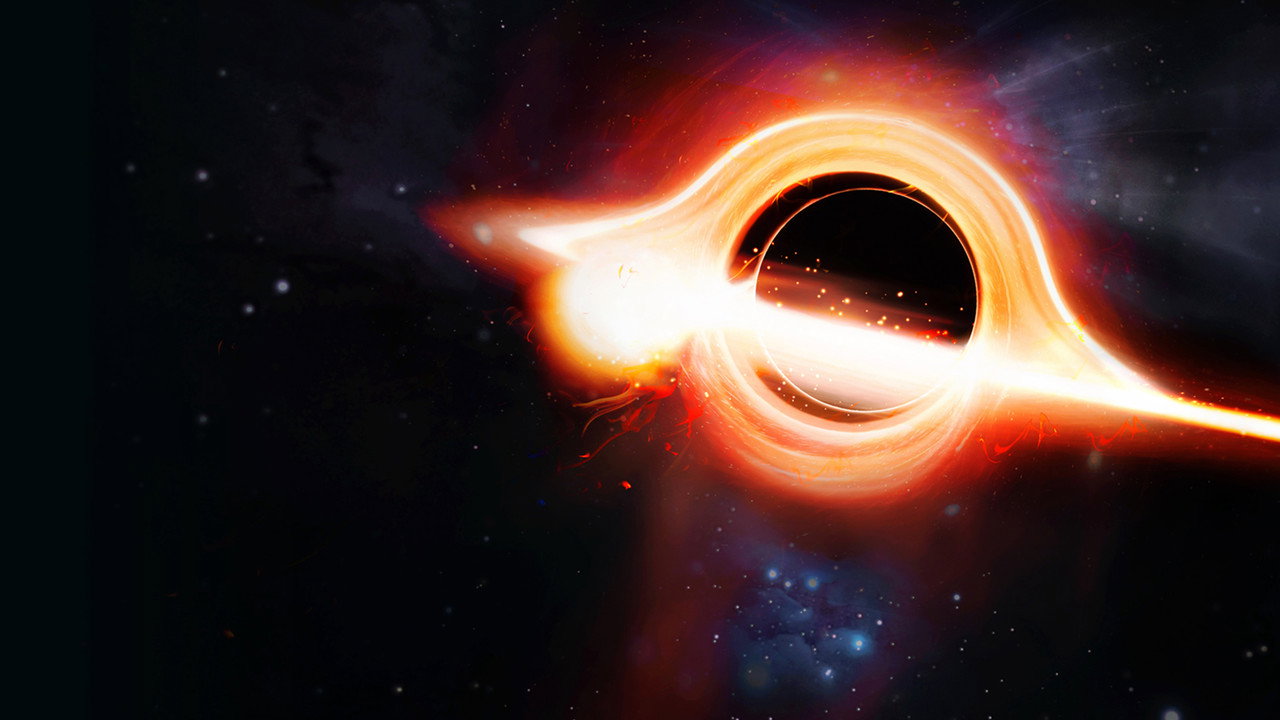
    Black Holes

    Black Holes, the most powerful destroyers in the Universe, the most mysterious phenomena in the heavens. For years they were only speculation, now modern astronomy is proving them frighteningly real and showing that they may well shape everything we see.

    Black Holes, the most powerful destroyers in the Universe, the most mysterious phenomena in the heavens. For years they were only speculation, now modern astronomy is proving them frighteningly real and showing that they may well shape everything we see.

    Play
  3. 3

    Galaxies

    The evolution of galaxies, from clouds of cold gas floating in space 13 billion years ago, to the vast gravitationally bound systems of today.

    The evolution of galaxies, from clouds of cold gas floating in space 13 billion years ago, to the vast gravitationally bound systems of today.

    Play
  4. 4

    Stars

    Examining the birth of stars, and how their creation changed the cosmos for ever, leading to planets and life itself.

    Examining the birth of stars, and how their creation changed the cosmos for ever, leading to planets and life itself.

    Play
  5. 5

    Supernovas

    Stars are not eternal; they are dying in unimaginably large explosions called supernovas. Second only to the Big Bang, these explosions are where creation and destruction meet. Only now have we begun to understand how these wonders in our sky work.

    Stars are not eternal; they are dying in unimaginably large explosions called supernovas. Second only to the Big Bang, these explosions are where creation and destruction meet. Only now have we begun to understand how these wonders in our sky work.

    Play
  6. 6

    Planets

    There are just eight planets in our solar system, but there could be a hundred billion planets in our Milky Way galaxy alone. This show follows the journey of planets as they grow from grains of dust to the magnificently diverse worlds we see today.

    There are just eight planets in our solar system, but there could be a hundred billion planets in our Milky Way galaxy alone. This show follows the journey of planets as they grow from grains of dust to the magnificently diverse worlds we see today.

    Play
  7. 7

    Solar Systems

    Is our solar system unique? Since the first discovery of a planet orbiting another star, some 280 alien solar systems have been identified. It's only by looking at solar systems far beyond our own, that we can understand how remarkable our universe is.

    Is our solar system unique? Since the first discovery of a planet orbiting another star, some 280 alien solar systems have been identified. It's only by looking at solar systems far beyond our own, that we can understand how remarkable our universe is.

    Play
  8. 8

    Moons

    Moons come in every possible shape and size. Home to incredible natural phenomena like gigantic geysers and colossal volcanoes, moons also offer perhaps the best chance of finding alien life in the Universe - and they probably exist in the billions.

    Moons come in every possible shape and size. Home to incredible natural phenomena like gigantic geysers and colossal volcanoes, moons also offer perhaps the best chance of finding alien life in the Universe - and they probably exist in the billions.

    Play